Welcome to our company

 Send Email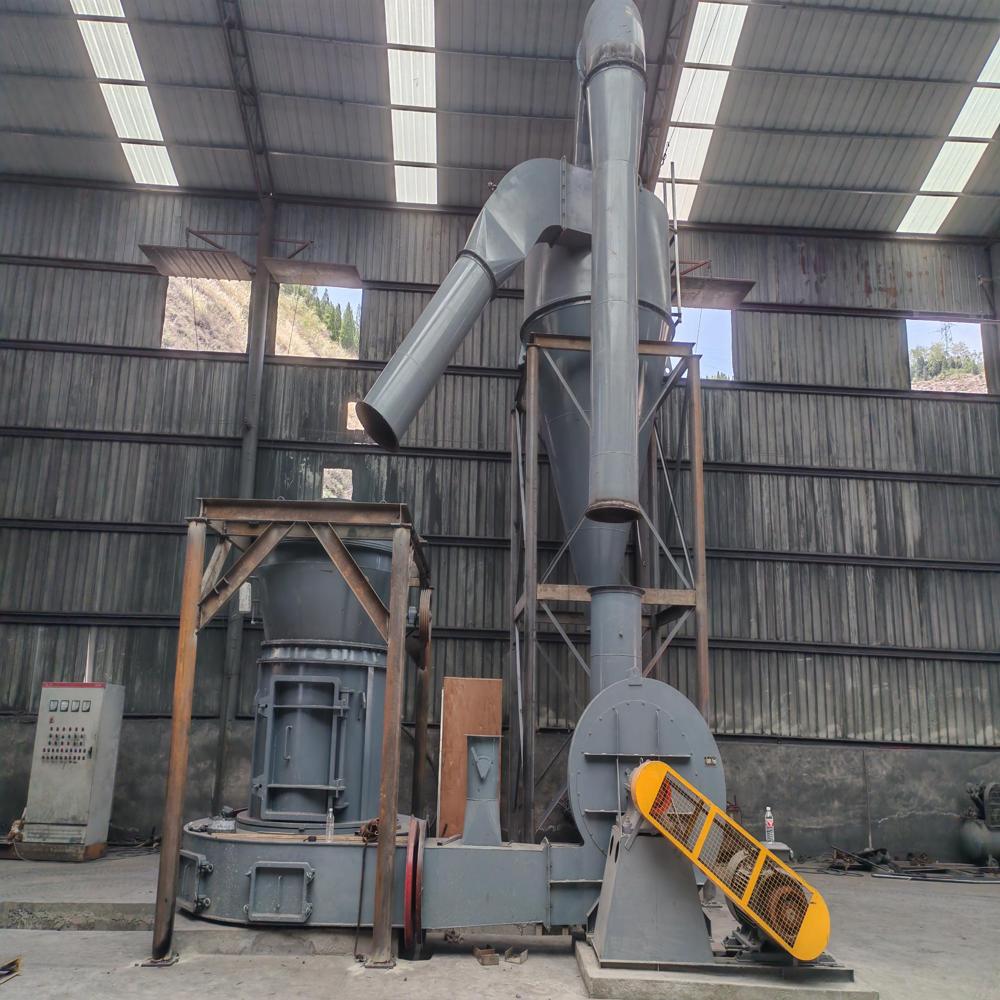
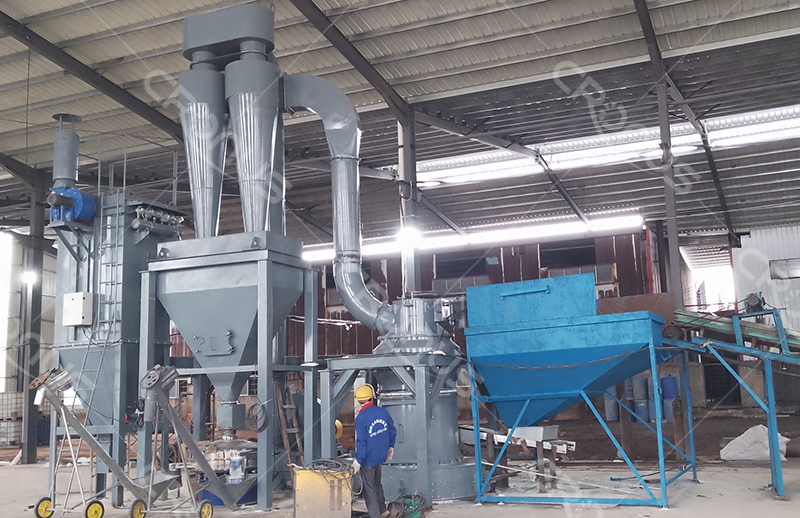
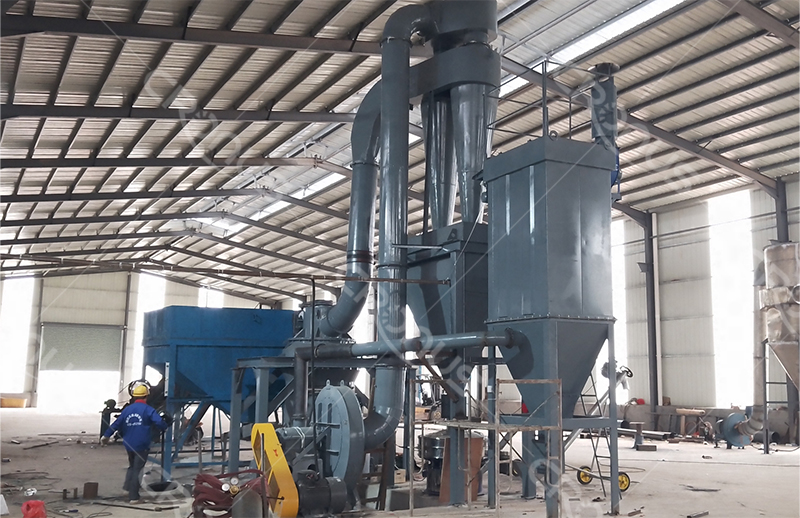
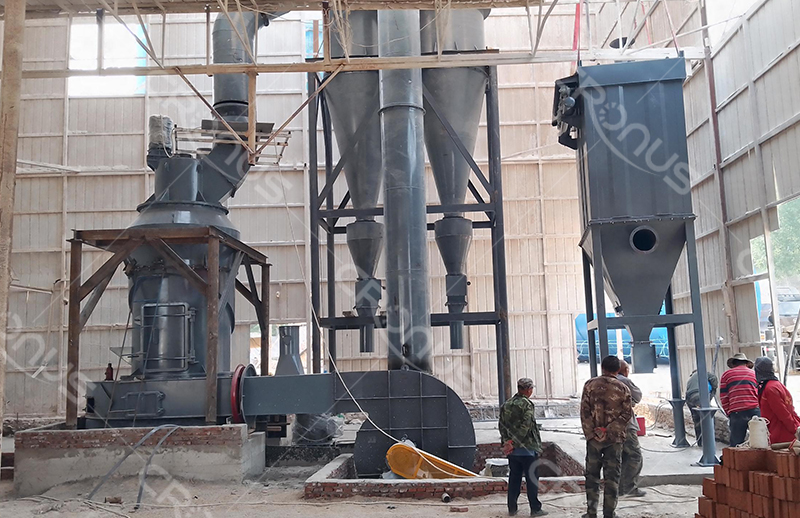
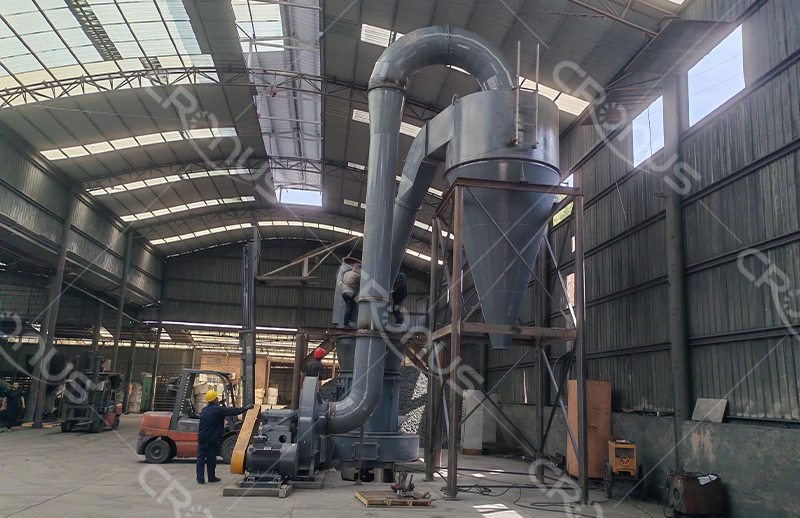
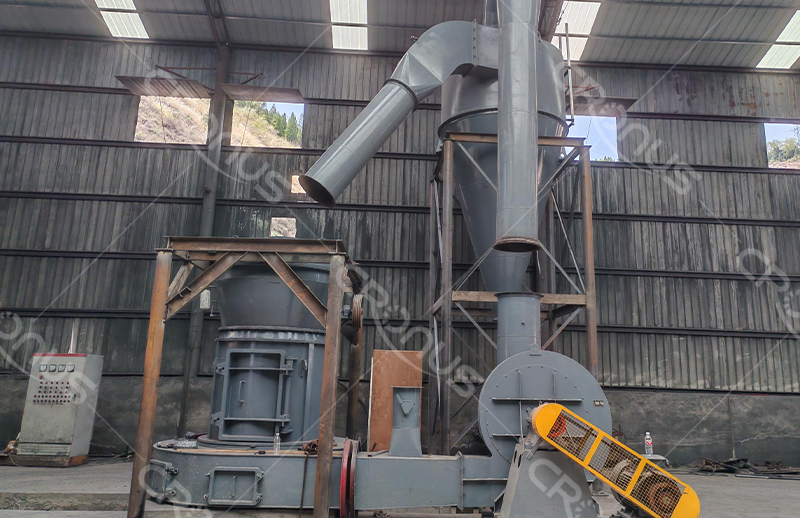
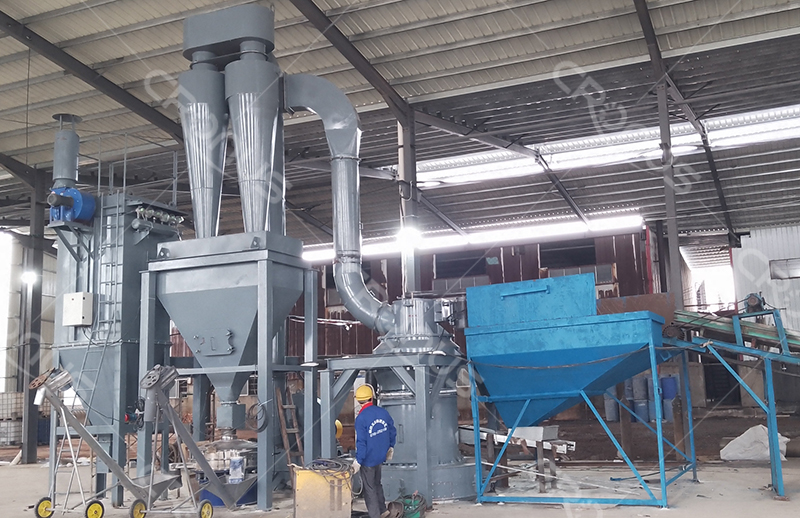
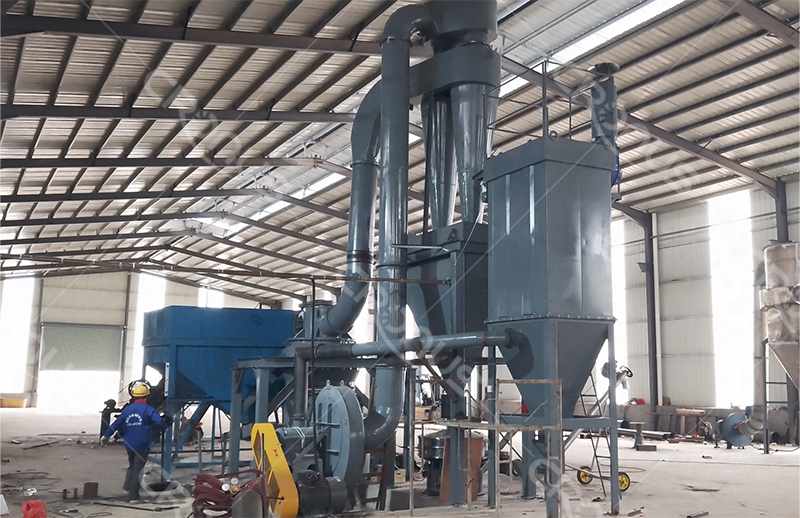
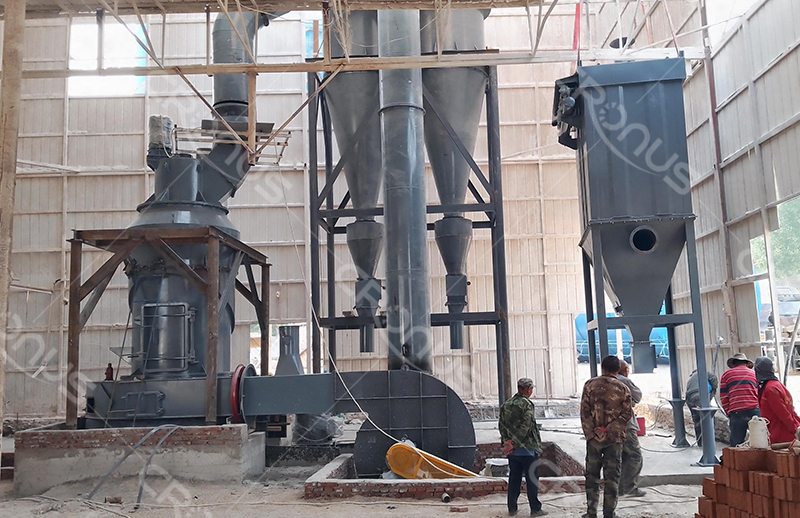
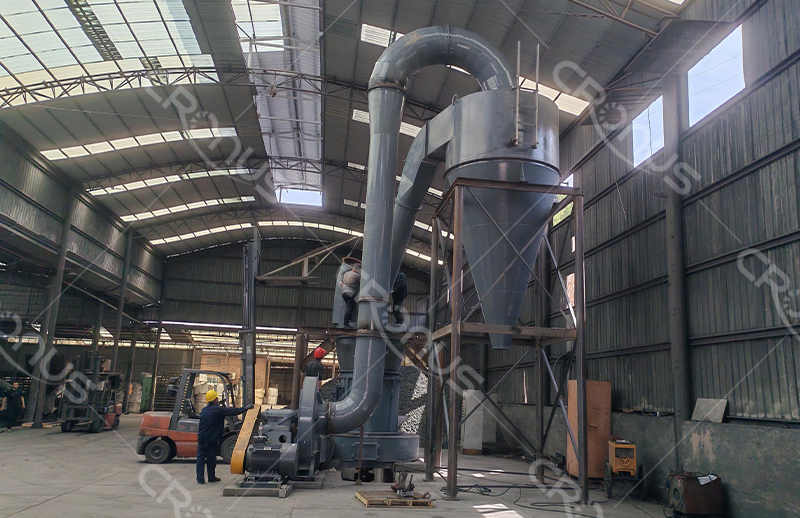
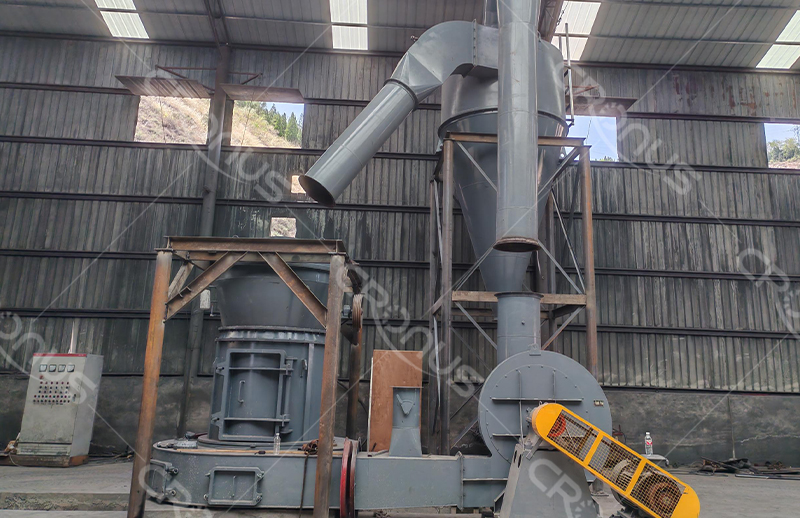
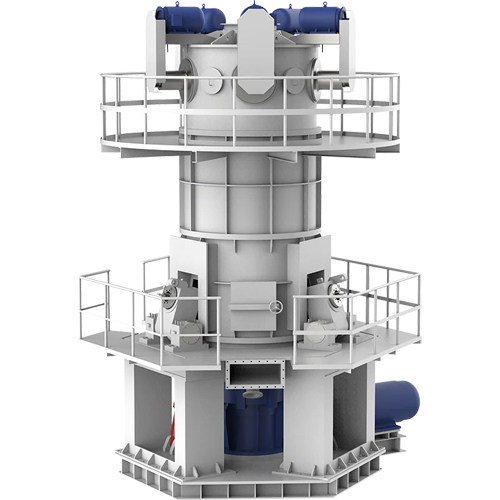
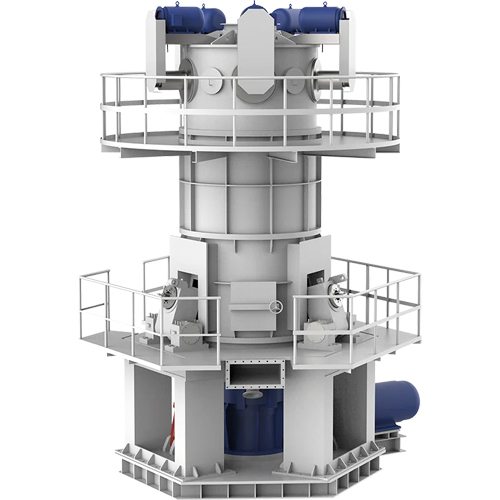
CaCO3 powder making plant raymond mill and supefine grinding mill
150000.0 INR/Set
Product Details:
- General Use Industrial
- Material Stainless Steel
- Computerized No
- Automatic Yes
- CNC Or Not Normal
- Control System PLC Control
- Voltage 380 Volt (v)
- Click to view more
X
CaCO3 powder making plant raymond mill and supefine grinding mill Price And Quantity
- 150000.0 INR/Set
- 1 Set
CaCO3 powder making plant raymond mill and supefine grinding mill Product Specifications
- No
- Stainless Steel
- PLC Control
- Yes
- High Efficiency, Lower Energy Consumption, High Performance, ECO Friendly
- 380 Volt (v)
- Grey
- Normal
- Industrial
CaCO3 powder making plant raymond mill and supefine grinding mill Trade Information
- Guangzhou
- Telegraphic Transfer (T/T)
- 50 Set Per Month
- 25 Days
- No
- Contact us for information regarding our sample policy
- Middle East, Africa
- All India
- CE,ISO9001
Product Description
What is calcium carbonate Raymond mill
The Raymond mill for calcium carbonate is essential equipment used in the production of calcium carbonate powder. The calcium carbonate raw materials that it can process include calcite, limestone, dolomite, marble, etc. It can also be applied to the processing of other mineral powders, such as talc powder, barite powder, pyrophyllite powder, tire pyrolysis carbon black powder, etc.
The fineness of the mineral powder processed by the Raymond mill can reach up to 400 mesh, with an adjustable range from 40 to 400 mesh.
The equipment composition of the calcium carbonate Raymond mill
40-400 mesh calcium carbonate Raymond mill
Calcium carbonate Raymond mill is a complete production line equipment, including the crushing part of the ore, the grinding part, the powder collection system, the dust removal system, and even the subsequent packaging and palletizing system can be configured according to the customers requirements.
The working principle of the calcium carbonate Raymond mill
Big materials are crushed by a jaw crusher to the required particle sizes, and carried by a bucket elevator to the storage hopper, and are fed evenly and continuously by a vibrating feeder into the main unit for grinding. The ground powder are carried by the airflow from the blower to the classifier to be classified, the particles that meet the fineness enter the cyclone collector through the pipe, and are separated and collected there. They are discharged at the discharging valve to become finished products; The airflow is sucked to the blower by the return pipe on the top of the cyclone collector. The whole airflow system is a sealed circulation and is circulated under positive and negative air pressure.
| Model | Feed particle size (mm) | Product granularity (mm) | Overall dimensions (Length * width * height(mm) (Does not include dust collector |
Capacity(t/h) | powerkW) | ||
|---|---|---|---|---|---|---|---|
| Main Machine | Fan | Classifier | |||||
| 4R3220 | 20 | 0.0450.18 | 695045708295 | 16 | 45 | 45 | 15 |
| CRRM1280 | 20 | 840056508200 | 1.510 | 55 | 55 | 15 | |
| 5R4128 | 20 | 866060509250 | 215 | 90 | 90 | 22 | |
| CRRM1500 | 20 | 870055009250 | 318 | 110 | 110 | 22 | |
| CRRM1620A | 30 | 9670557010550 | 522 | 160 | 132 | 30 | |
| CRRM1700 | 30 | 9670557010550 | 628 | 185 | 160 | 37 | |
| CRRM1850 | 30 | 1045568309815 | 6.530 | 200 | 200 | 37 | |
| CRRM1920 | 30 | 1331276909815 | 7.533 | 220 | 200 | 45 | |
| CRRM2150 | 30 | 11080760011150 | 1040 | 250 | 250 | 45 | |
| CRRM2500 | 35 | 11480773011250 | 11.550 | 280 | 280 | 45 | |
Advanced Grinding Technology
Featuring Raymond and superfine grinding mills, our plant guarantees precise and consistent CaCO3 particle sizes. This ensures suitability for a wide range of industrial applications, from plastics and paints to paper and rubber production.
Fully Automatic and User-Friendly Operation
Equipped with an easy-to-use PLC control system, the plant streamlines production while eliminating the need for complex computer interfaces. Automated processes reduce manual effort, minimize errors, and optimize throughput.
Environmentally Friendly Efficiency
Designed to balance performance with sustainability, our grinding mills consume less energy while maintaining high output. The use of durable stainless steel components reduces maintenance and supports environmentally responsible operation.
FAQ's of CaCO3 powder making plant raymond mill and supefine grinding mill:
Q: How does the CaCO3 powder making plant ensure high efficiency and low energy consumption?
A: The plant utilizes advanced Raymond and superfine grinding mills, engineered to maximize output while minimizing energy use. Automated PLC controls further optimize operational parameters, delivering high efficiency with lower electricity costs.Q: What materials are used in constructing the grinding mills?
A: All critical components are made from high-grade stainless steel, ensuring durability, corrosion resistance, and easy maintenance throughout prolonged industrial usage.Q: When is it appropriate to use this CaCO3 powder making plant for production?
A: This plant is ideal for any industrial setting requiring consistent and high-quality calcium carbonate powder, particularly when efficiency, automation, and reliability are essential.Q: Where can this grinding plant be installed?
A: The system is engineered for flexibility and can be installed in various industrial environments, such as mineral processing facilities, chemical plants, or manufacturing factories.Q: What is the process involved in producing CaCO3 powder using this plant?
A: Raw calcium carbonate is fed into the Raymond or superfine grinding mill, where it is finely ground under controlled conditions. The PLC system automates the operation, from material input to finished powder collection.Q: How does automatic operation benefit users?
A: Automatic operation streamlines production, reduces the need for manual intervention, and minimizes production errors, leading to more consistent results and lower labor costs.Q: What are the main advantages of using this CaCO3 grinding mill plant?
A: Key benefits include high processing efficiency, lower energy consumption, robust stainless steel construction, eco-friendly performance, and simplified automated operation. These features ensure cost-effective and sustainable industrial production.Tell us about your requirement

Price:
Quantity
Select Unit
- 50
- 100
- 200
- 250
- 500
- 1000+
Additional detail
Mobile number
Email

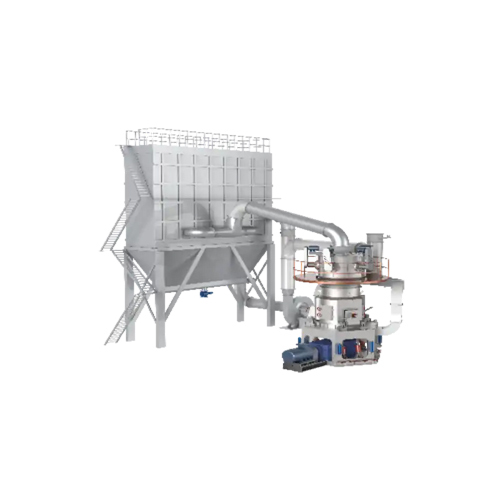
Other Products in 'Superfine Vertical Roller' category

Contact Details

- Room 801, Building 2 , Shanghai Brilliant City No.8666 Hunan Road, Shanghai China
- Phone : 86--19921221418
- Ri Sinn (Manager)
- Mobile : +8619921221418, +8618290113988
- Send Inquiry
Shanghai Cronus Machinery Co,.ltd.
 Send Inquiry

Shanghai Cronus Machinery Co,.ltd.
All Rights Reserved.(Terms of Use)
Developed and Managed by Infocom Network Private Limited.
Developed and Managed by Infocom Network Private Limited.
